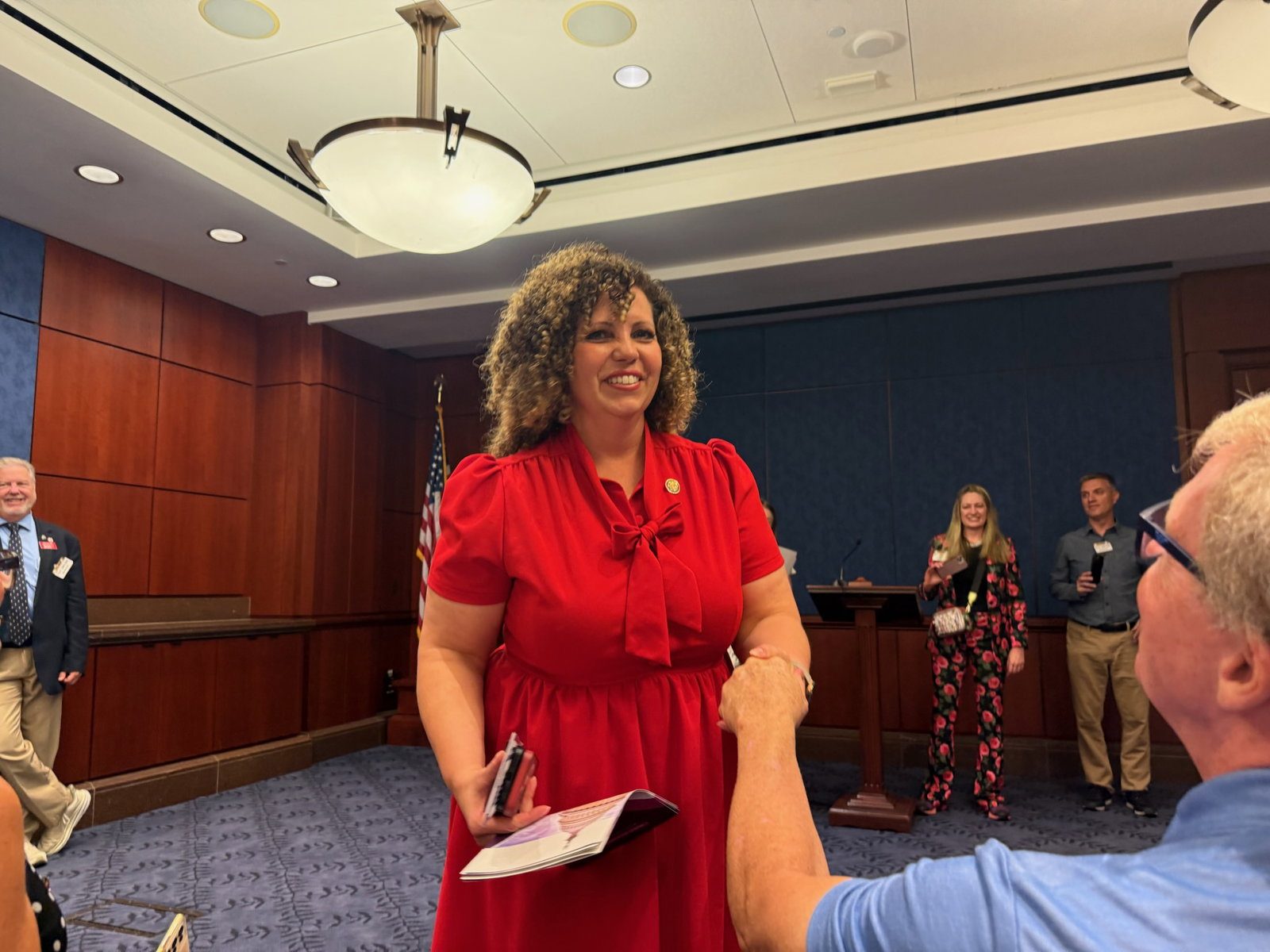
Legislative Support: Shivwits Band of Paiutes Jurisdictional Clarity Act
1. Rep. Celeste Maloy, in collaboration with Senator John Curtis (R-UT), introduced the Shivwits Band of Paiutes Jurisdictional Clarity Act (H.R.3073) on April 28, 2025. This legislation is directly relevant to the Shivwits Band’s ability to engage in business ventures, such as the proposed project with Reef Capital. Key details of the Act include:
- Purpose: The Act aims to confer jurisdiction on the State of Utah for civil causes of action involving the Shivwits Band of Paiutes, including their tribal enterprises and the Shivwits Band Corporation (SBC), which oversees the Reef Capital project. It also ensures that contracts or agreements (e.g., leases) involving Shivwits Indian lands are considered under federal commerce laws, granting access to federal courts for dispute resolution.
- Economic Impact: Maloy has stated that the Act provides “jurisdictional clarity and the freedom [the Shivwits Band] desire to enter into contracts that have the potential to spur economic growth on their lands.” This clarity is critical for projects like the sports village, which involves complex agreements with third parties like Reef Capital, as it reduces legal uncertainties for investors and developers.
- Sovereignty Protection: The Act explicitly does not abrogate the Shivwits Band’s sovereign immunity, ensuring the tribe retains control over its lands and businesses while facilitating economic partnerships.
- Leasing Authority: The Act amends the Indian Long-Term Leasing Act (25 U.S.C. 415) to include Shivwits lands, streamlining the tribe’s ability to lease land for projects like the proposed golf courses, hotel, and sports facilities.
Relevance to the Reef Capital Project: The jurisdictional clarity provided by this legislation directly supports the Shivwits Band–Reef Capital project by creating a stable legal framework for contracts, leases, and potential disputes. The project’s financial projections ($149 million total cashflow, $9.6 million annual distributions) and investor interest (noted waitlist) rely on such clarity to ensure third-party confidence. Without this, the project’s scale—1,250 acres, including golf courses designed by TGR Design and Jackson Kahn—could face legal or financial hurdles.
2. Land Sale Proposal and Controversy Maloy has also been involved in a controversial federal land sale proposal, introduced as an amendment to the House Natural Resources Committee on May 6, 2025, alongside Nevada Rep. Mark Amodei. This proposal includes transferring over 10,000 acres of federal land in southwestern Utah to local entities like Washington County, St. George, and the Washington County Water Conservancy District for infrastructure projects. While not directly tied to the Shivwits Band–Reef Capital project, it has implications for the region near the Shivwits Reservation:
- Relevant Parcels: Two parcels in the proposal are located between the Shivwits Reservation and Gunlock Reservoir (Fire Lake, a key feature of the Reef Capital project). These parcels encompass part of the Santa Clara River, where the Shivwits Band holds water rights (4,000 acre-feet, per the 2000 Water Rights Settlement Act). The proposal includes plans for a bike path along Old Highway 91, which runs through the Beaver Dam Wash National Conservation Area south of the reservation.
- Shivwits Band’s Opposition: On May 8, 2025, the Shivwits Band issued a statement alleging that Maloy’s land sale proposal violates the National Environmental Policy Act (NEPA) and impacts their cultural resources and tribal sovereignty. The tribe expressed concerns about the parcels’ proximity to their reservation and water rights, which are critical for projects like the sports village that rely on 1,900 acre-feet of Santa Clara irrigation water and 2,000 acre-feet of re-use water.
- Environmental Advocacy: Groups like the Southern Utah Wilderness Alliance (SUWA) echoed the tribe’s concerns, alleging Maloy’s “last-minute” introduction was an attempt to privatize public lands discreetly. The amendment passed the House Natural Resources Committee (26-17 vote) but requires full House and Senate approval to become law.
Relevance to the Reef Capital Project: The land sale proposal does not directly involve the 1,250-acre project boundary on Shivwits land. However, the proximity of the proposed parcels to the reservation and Fire Lake could affect access, infrastructure (e.g., the pedestrian bridge or reservoir access in the project plan), or water rights critical to the development. The Shivwits Band’s opposition suggests potential tension with Maloy’s actions, which could complicate regional support for the project if not addressed through consultation.
3. Broader Support for Shivwits Economic DevelopmentMaloy’s legislative efforts reflect a broader commitment to supporting economic growth in Utah’s 2nd District, which includes the Shivwits Reservation. Her advocacy for infrastructure and development aligns with the Shivwits Band’s goal of self-sufficiency, as articulated by Tribal Chairperson Hope Silvas. Specific actions include:
- Economic Development Advocacy: Maloy’s statements emphasize enabling communities to address growth challenges, such as housing and infrastructure, which aligns with the Shivwits Band’s priorities (e.g., the Reef Capital project’s job creation and revenue from water leasing).
- Regional Infrastructure: Her support for projects like the Western Corridor highway near St. George could improve access to the Shivwits Reservation, benefiting the sports village’s projected 100,000 annual visitors (similar to the Legacy Fields Soccer Complex).
Relevance to the Reef Capital Project: Maloy’s focus on regional growth indirectly supports the project by improving infrastructure and economic conditions around St. George and Ivins, where the reservation is located. The project’s synergy with Reef Capital’s Black Desert Resort, 10 minutes east, relies on robust regional infrastructure, which Maloy’s policies aim to enhance.
4. Potential Tensions and Tribal SovereigntyThe Shivwits Band’s opposition to Maloy’s land sale proposal highlights a potential conflict with her legislative actions. The tribe’s concerns about NEPA violations and impacts on cultural resources and water rights suggest that Maloy’s initiatives may not always align with tribal priorities. Key points:
- Sovereignty Concerns: The Shivwits Band emphasized that the land sale proposal fails to recognize their sovereignty, particularly regarding parcels near the Santa Clara River, where their water rights are critical for projects like the sports village.
- Consultation Needs: The Reef Capital project, while on tribal land and under tribal oversight, could face indirect challenges if regional land transfers disrupt access or resources. Maloy’s failure to consult adequately with the tribe on the land sale proposal (per their May 8 statement) could strain relations, potentially affecting support for the project.
Relevance to the Reef Capital Project: The project’s success depends on the Shivwits Band’s ability to control their land and water resources. Maloy’s Jurisdictional Clarity Act supports this by facilitating contracts, but her land sale proposal could undermine trust if it impacts adjacent resources. The tribe’s involvement in the project’s design and operations (e.g., cultural oversight, museum) ensures their sovereignty is respected within the project, but Maloy’s broader actions require careful coordination to avoid conflicts.
5. Connection to the Shivwits Band–Reef Capital Project While Maloy is not directly mentioned in the provided project document, her legislative efforts have a clear impact:
- Facilitating Economic Partnerships: The Jurisdictional Clarity Act directly supports the project’s legal framework, enabling the Shivwits Band to enter contracts with Reef Capital, TGR Design, and Jackson Kahn for the sports village, golf courses, hotel, and museum. The Act’s provisions for state and federal court jurisdiction reduce risks for investors, aligning with the document’s note of a “waitlist for investors.”
- Regional Context: The project’s location near St. George, a rapidly growing area, benefits from Maloy’s advocacy for infrastructure (e.g., roads, water systems) to support tourism and economic activity. The sports village’s projected $149 million cashflow and $9.6 million annual distributions rely on such regional growth.
- Potential Friction: The land sale controversy could indirectly affect the project if it disrupts water rights or access to Fire Lake, a key amenity. The Shivwits Band’s 2023 Land Use Ordinance, which imposes fines for unauthorized activities (e.g., unauthorized use), underscores their commitment to controlling land use, and Maloy’s actions must align with this sovereignty to support the project fully.
- Land Sale Concerns: If the land sale proposal affects areas near the reservation, residents could face additional restrictions, especially if new infrastructure (e.g., bike paths) introduces airspace considerations.
6. Conclusion Rep. Celeste Maloy’s involvement with the Shivwits Band–Reef Capital project is primarily through her legislative efforts to support the tribe’s economic development. The Shivwits Band of Paiutes Jurisdictional Clarity Act (H.R.3073), introduced in April 2025, facilitates the project by providing a clear legal framework for contracts and disputes, enabling the Shivwits Band to partner with Reef Capital on the sports village, golf courses, and resort amenities. However, her federal land sale proposal has sparked opposition from the Shivwits Band due to concerns about cultural resources, water rights, and sovereignty, which could indirectly impact the project’s regional context. Maloy’s broader advocacy for infrastructure in Utah’s 2nd District supports the project’s tourism goals but requires careful coordination with the tribe to avoid conflicts.
The information presented in this blog post, is for informational purposes only and reflects the current status of potential ongoing discussions as of July 13, 2025. All details, including project plans, financial projections, and timelines, are subject to change as negotiations continue between the Shivwits Band of Paiutes, Celeste Maloy, and other stakeholders. No part of this blog post constitutes a binding agreement, guarantee, or final representation of the project’s scope, terms, or outcomes. Readers should verify details with official sources, such as the Shivwits Band Corporation or Reef Capital, before making decisions based on this information. The author assumes no liability for any actions taken in reliance on this blog post. Further details, Contact Maloy’s office via maloy.house.gov for updates on H.R.3073 or the land sale proposal.